Achieving inclusive and sustainable digital transformation by leveraging connected Posts All sectors of society and the economy have steadily undergone a digital transformation over the last couple of decades, a trend further accelerated by the COVID-19 pandemic. Digital technologies have empowered service providers to reach more individuals and businesses efficiently, transforming how they access information and markets anytime, anywhere. Despite these advancements, however, their benefits have been enjoyed unequally. In 2023, 2.6 billion people – approximately one-third of humanity – did not access the Internet even once every three months, with even fewer people using it regularly. At least half of businesses, particularly micro, small and medium-sized enterprises (MSMEs), do not transact online, missing out on the benefits of the digital economy. Moreover, it is increasingly recognized that Internet access alone is not sufficient to ensure the level of “meaningful connectivity” needed to fully benefit from being online. Once online, many citizens and MSMEs encounter additional barriers to meaningful use, such as inadequate digital skills, subpar devices and lack of availability of relevant digital content and services, among others. The vast global postal network, with billions of people visiting post offices annually, and even more engaging with postal workers at their front door, can serve as a backbone to bring entire communities online in a meaningful way by providing them with high-speed reliable Internet access, public computer equipment, digital skills training and access to digital financial, e-government and e-commerce services. Despite significant gaps in access and meaningful connectivity, citizens and businesses are increasingly expected to use digital platforms to access essential services and markets. In parallel, the ability to engage with essential service providers in person or offline is becoming increasingly difficult – or even impossible – in many countries. This trend risks excluding those who are unconnected or under-connected unless they receive support to engage digitally. Elderly people and marginalized groups, such as women, rural residents, ethnic and racial minorities, people with disabilities, and indigenous communities, are most likely to be under-connected and to require assistance to access digital services. Similarly, MSMEs are more likely to require help in establishing an online presence. Connected postal networks can help ensure that the digital divide does not lead to the exclusion of marginalized groups by facilitating the uptake of digital services and providing support at post offices or even at people’s doorsteps. Connecting Posts to advance social, financial and digital inclusion The global postal network, with 650,000 post offices worldwide, the majority of which are located in remote and rural areas, offers an unparalleled reach, already serving many of the groups, businesses, communities and geographic locations that remain unconnected or under-connected. Furthermore, for many residents in remote and rural areas, the post office is the only government-affiliated administrative presence within their vicinity. The Universal Postal Union (UPU) estimates that over 100,000 post offices (nearly 1 in 6) unfortunately remain unconnected, and although a growing number of post offices are offering digital services, this practice remains the exception rather than the norm. Connect.post is a global initiative for connectivity and inclusion, spearheaded by the UPU, the United Nations specialized agency for the postal sector. The programme’s mission is to connect every post office to the Internet by 2030, leveraging this connectivity to boost the socio-economic development of local communities and reduce the risk of social exclusion for less connected groups. Connect.post will expand the digital infra-structure available to communities, offering digital access at post offices and introducing inclusive digital ser-vices through partnerships, capacity building and technical assistance. What we do Connecting all post offices to high-speed Internet by 2030 and equipping them to deliver digital services can help make significant progress across the UN Sustainable Development Goals (SDGs) and contribute to the “leaving no one behind” agenda. However, much work remains to be done. Connect.post will build on the work of leading postal sector actors to systematically leverage the postal network to facilitate digital inclusion in mainly three ways: i Bridging the coverage gap by extending telecommunications infrastructure: Expanding fixed and mobile networks to post offices can help extend the reach of affordable, high-speed Internet connectivity to unserved or underserved communities; ii Bridging the meaningful use gap through the provision of Internet access, technological equipment and support: Some connected Posts are already providing their visitors with access to computers, the Internet and digital skills training. Similarly, some post offices now offer MSMEs training and auxiliary services needed to engage in e-commerce; iii Mitigating risks of digital exclusion through in-person digital service provision: Many governments and postal operators already provide citizens and MSMEs with in-person digital services, including e-government, e-commerce and digital financial services. In some cases, Posts are even providing last-mile digital services at the doorsteps of customers. This allows marginalized groups and MSMEs to access these services despite low levels of digital connectivity, skills and/or confidence. Overall, the initiative is intended to deliver four key elements: i Knowledge portal on connecting postal facilities, including mapping tools and best practices; ii Resource mobilization platform to facilitate collaboration among stakeholders; iii Connecting post offices to the Internet and leveraging postal infrastructure to advance digital infrastructure deployment; iv Promoting the empowerment and social inclusion of unconnected and under-connected communities through in-person digital services delivery while also providing citizens with more choice regarding how they access services. Achieving national development goals through connected Posts Currently, government and private sector digital transformation processes are not sufficiently inclusive, with marginalized, rural and remote communities at the highest risk of being left behind. This limitation will persist unless digital divides are bridged and digital services are made more inclusive, and will hinder countries’ ability to achieve the SDGs and impede their economic growth. Connect.post represents a win-win opportunity. Leveraging postal networks to provide digital services and connectivity is not only beneficial for the postal sector, but also for citizens and, ultimately, entire industries and countries, facilitating a more inclusive digital transformation. Postal services reach over 95% of the global population and 83% of the global population is able to receive mail at home. Through their physical presence in communities where less-connected people live and work, post offices and post personnel provide the perfect platform for governments and other stakeholders to drive inclusive digital transformation centring on the needs of marginalized groups and MSMEs. A majority of national governments currently underutilize their domestic postal sector’s extensive reach in their digital policy and practice. Doing so requires a whole-of-government approach and the formation of public-private partnerships. Partner with us This global digital inclusion and infrastructure enhancement project is pivotal across the SDGs. Alongside UN agencies, national governments, related regional organizations and the private sector, we call upon all stake-holders to join us. Contact: This initiative has been developed in support of the UN Sustainable Development Goals and the UN Common Agenda, and with the support of Japan's Ministry of Internal Affairs and Communications. | 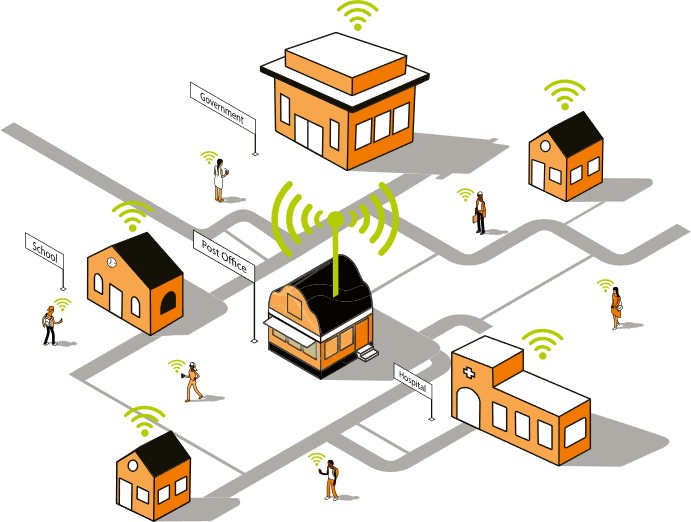 |


Join us in meaningfully connecting all communities through the postal network. Complete the form and we will provide you with more details about the project.