At the 12th World Free Zones Organization (WFZO) World Congress, held in Panama, the UPU contributed to discussions on public-private collaboration and the evolving role of postal networks and technology platforms in global trade ecosystems.
The engagement highlighted how closer cooperation between governments, free zones, postal operators and private sector partners can strengthen connectivity, support e-commerce growth and improve access to international markets.The event brought together representatives from free zones, governments, international organizations, private sector actors and trade facilitation stakeholders to discuss investment, industrial transformation, digital trade, artificial intelligence (AI) and the future of free zones.
The UPU Consultative Committee (CC), represented by its Secretary Mr Alexander Thern-Svanberg, engaged in discussions at the “Public-private collaboration for the next industrial era” breakout session to examine how public and private actors can work together to strengthen free zone performance, attract investment, improve governance and build more resilient trade ecosystems.
Mr Thern-Svanberg underlined the opportunity for stronger links between Posts, free zones and cross-border e-commerce. Through cooperation with the UPU and its global postal network, free zones can be better connected to domestic markets, customs systems and international delivery channels, while postal operators can support and benefit from fulfilment, digital certification, small and medium enterprise (SME) exports and imports and more inclusive access to global trade through the UPU global postal network.
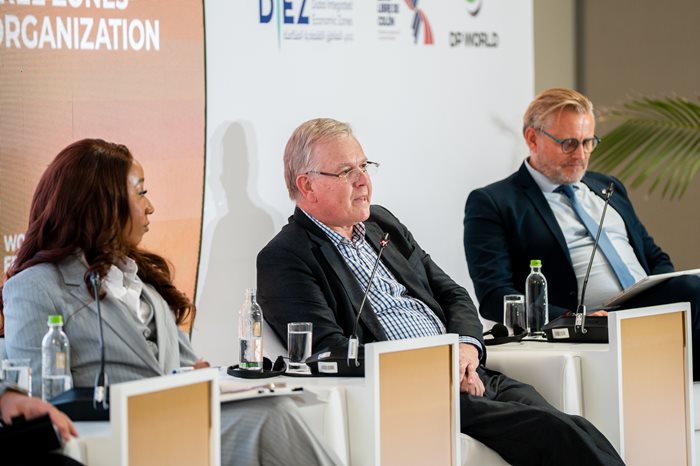
Mr Thern-Svanberg (right) during a panel discussion. Photo: WFZO
The session focused on a practical case study involving the restructuring of a mixed-use free zone facing declining tenancy, weak infrastructure and limited public financing. Speakers explored the issue from three angles: demand and investment, policy and territory, and governance and structure.The aim was to develop closer working relationships between free zones and designated postal operators to support cross-border e-commerce through the UPU global postal network.
Key messages from the discussion underlined the importance of clear diagnostics, accountable performance indicators, flexible operating agreements and memoranda of understanding (MoUs), stronger public-private trust, and closer engagement with surrounding local communities. Participants also emphasized that free zones must be able to adapt to changing economic conditions while maintaining investor confidence and public legitimacy.
The UPU’s contribution highlighted the potential role of postal networks in connecting free zones to domestic markets and global e-commerce flows. This could include practical cooperation around customs facilitation, digital certification, SME exports and imports, fulfilment services and last-mile delivery through ever stronger collaboration between Posts and free zones.
The mission also included the participation of the UPU Postal Technology Centre (PTC), led by its director, Mr Lati Matata, whose insights added a technical perspective to the discussions. This helped underline the role of digital postal infrastructure, data exchange and technology-enabled services in supporting closer links between postal operators, free zones, customs authorities and e-commerce actors.
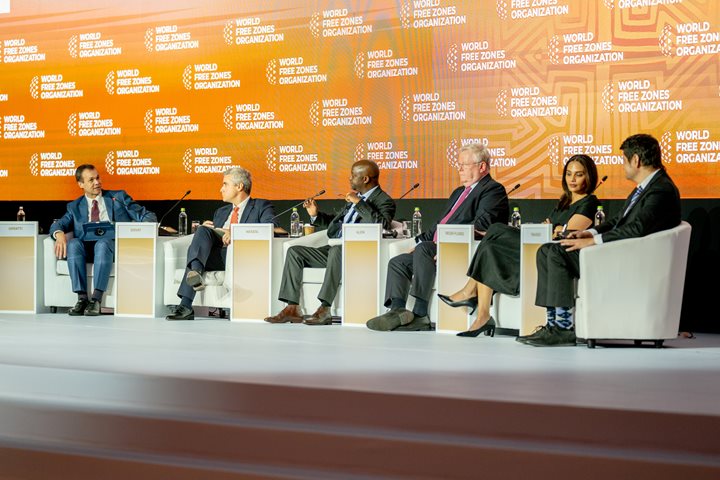
Mr Lati Matata (3rd from left) during a panel discussion at the 12th WFZO World Congress. Photo: WFZO
Mr Matata participated in the panel on the Emerging Technologies Foresight Lab. The panel examined the impact of AI, advanced analytics, automation, the Internet of Things (IoT), digital twins, robotics, and other disruptive innovations on production systems, trade flows, logistics and regional competitiveness.
On the margins of the Congress, this opportunity provided the blueprint for further dialogue with Caribbean stakeholders, including discussions on how postal operators, free zones, customs authorities and logistics partners can work together to support e-commerce fulfilment, trade facilitation and SME access to international markets, but also to ensure that Posts play an active role in serving e-shoppers domestically for last-mile delivery once they have ordered their products online.
The engagement reflects the CC’s role in connecting the UPU with wider postal sector stakeholders (WPSPs) and adjacent industries, including logistics, digital trade, customs, e-commerce and private sector innovation. The CC’s participation showcased its continued strategic positioning within the postal sector as a trusted infrastructure layer of the evolving global trade ecosystem.