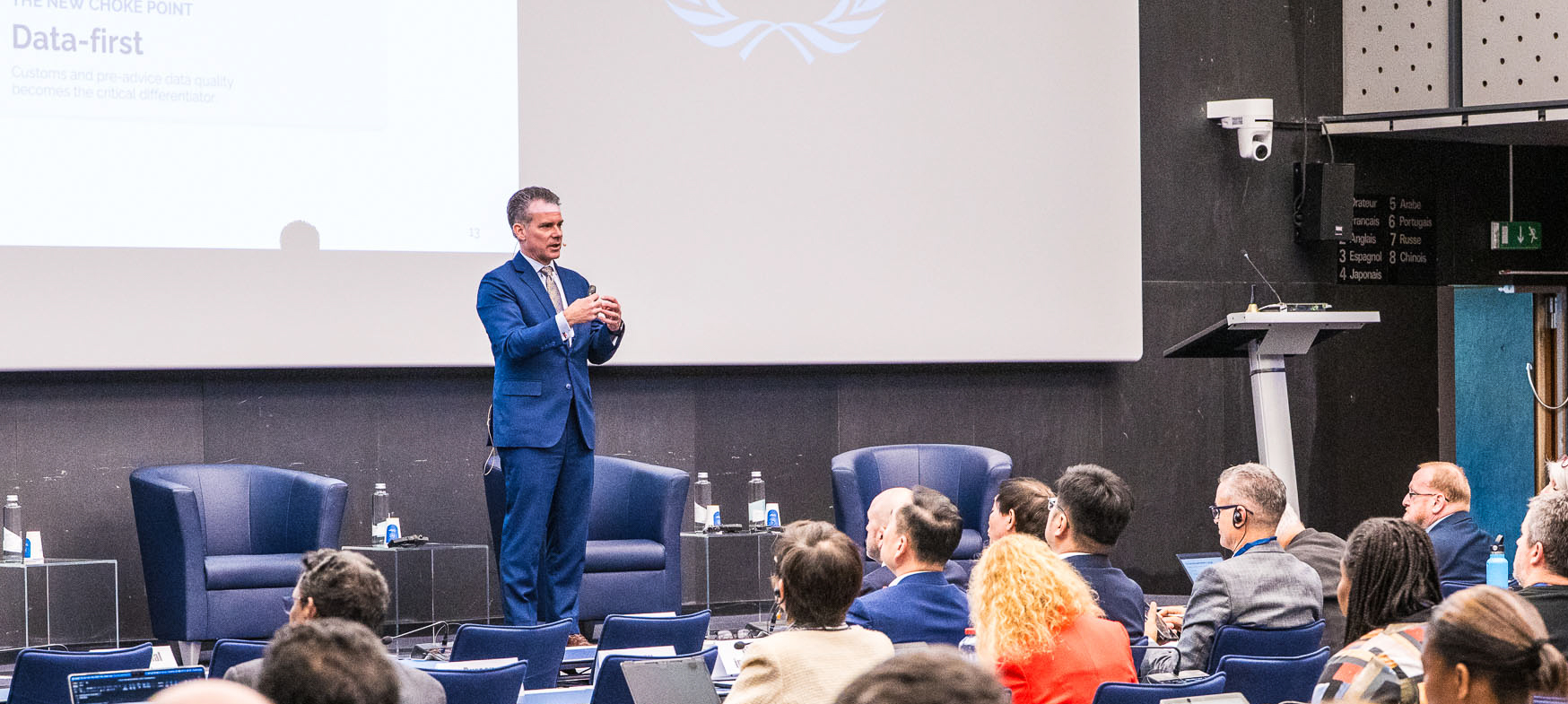
The UPU Postal Forum 2026, held on 30 April during the spring session of the Postal Operations Council, brought together postal leaders, industry experts and private-sector partners in Berne to explore how global trends can translate into concrete transformation strategies.
Under the theme “From trends to transformation: challenging postal assumptions,” the forum examined a sector that is in rapid transition, driven by e-commerce, digitalization, evolving customer expectations and regulatory change.Opening the session, Masahiko Metoki, UPU Director General, stressed the urgency of adaptation, noting that the postal sector is operating in an environment of rapid change. “In such a context, it is essential that we reflect carefully on how the postal sector needs to adapt. We must be willing to examine which assumptions still serve us well, and which may now be limiting our ability to evolve,” he added.
Key trends shaping transformation
Setting the scene, Brody Buhler, CEO of Escher Group, presented research that analyzed nearly two decades of data from postal operators worldwide, identifying five major trends reshaping the sector.
The first, “parcel deflation”, reflects a structural decline in revenue per parcel, driven by slower volume growth and rising competition, particularly in the last mile. Buhler highlighted that a divergence between e‑commerce value and parcel volumes is creating excess supply and putting pressure on yields, requiring operators to shift from volume to profitability.
A second trend is the transformation of cross-border flows. Regulatory changes, evolving customs requirements and the relocation of inventory closer to the end customer are reducing volumes in a traditionally profitable segment. In this context, delivered duty paid solutions and seamless customs clearance are becoming key differentiators.
Buhler also challenged assumptions around out-of-home delivery, emphasizing customer choice was the key driver over cost savings alone. At the same time, returns are becoming the second supply chain, with recommerce reinforcing the need for efficient domestic logistics to support resale flows.
Finally, marketplaces are increasingly entering the logistics sector, reshaping competition. Buhler noted that “while operators often associate speed with cost, retailers view speed as a driver of revenue growth,” highlighting a shift in how value is created.
Diversification in practice
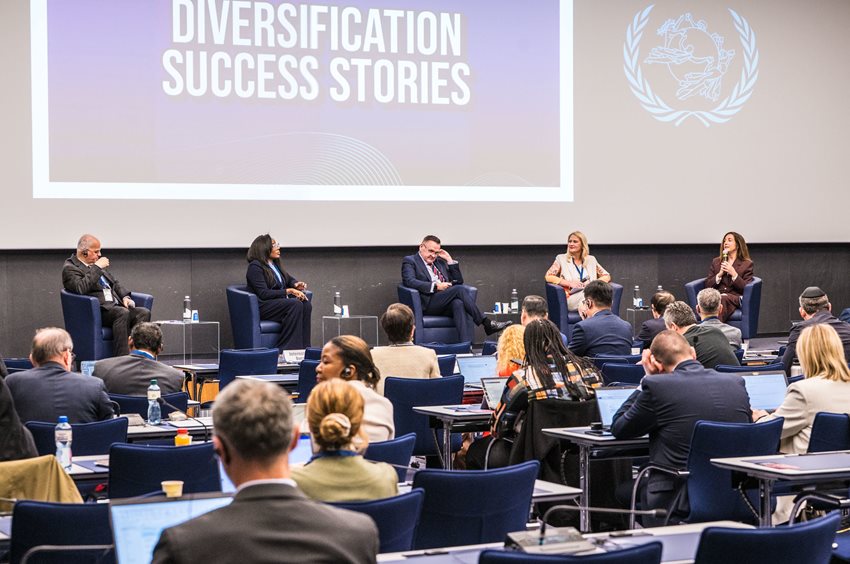
In the first panel session of the forum, speakers shared ways in which postal operators are adapting their business models.
Amin Benjelloun Touimi, Director General of Poste Maroc (Morocco), highlighted financial inclusion as a key driver of diversification, explaining that the postal network has enabled social benefits to reach around 4 million households, while bringing millions of previously unbanked citizens into the formal system.
For Tola Odeyemi, Postmaster General of the Nigerian Postal Service, diversification is closely tied to national priorities. “A commercial strategy can also solve national problems,” she said, pointing to logistics initiatives aimed at reducing post-harvest losses and strengthening food security.
Charles Brewer, Group CEO of Pos Malaysia Berhad, pointed to recommerce as a major opportunity in markets where second-hand trade remains largely informal. “It’s a perfect marriage between what is the fastest growing sector in e-commerce, and the infrastructure and assets that we have,” he said, highlighting how Posts can leverage their networks and trust to create end-to-end solutions for buyers and sellers.
Ivana Vrviščar, member of the Executive Management of Pošta Slovenije (Slovenia), emphasized that transformation begins with a shift in mindset, stressing the importance of putting the customer first to improve service quality and regain market share.
From assumptions to action
The second panel session focused on how Posts can translate reflection into concrete change.
Delivering a video message, Isaac Gnamba-Yao, Director General of La Poste de Côte d’Ivoire, urged operators to move beyond “nostalgia for a postal service that has always been relevant,” stressing that transformation is “first and foremost social and organizational”.
Tawnee Steinke, Vice-President of Products and Partnerships at BoxC, emphasized that Posts must evolve beyond delivery, becoming “an enabler, a platform that can connect all those pieces together”.
David Bu, Head of Supply Chain and Logistics UK and EU at TikTok Shop, underlined the importance of partnerships and closer cooperation with platforms. “We don’t only want postal organizations to survive. We want to thrive together with you,” he said.
Dong Wang, Deputy Director of International Business at China Post, added that the biggest obstacle is mindset, calling on Posts to experiment, adapt and work more closely with partners.

Concluding the forum, Marjan Osvald, UPU Deputy Director General, highlighted key takeaways. Transformation requires longstanding assumptions to be challenged, while diversification must be grounded in real customer needs rather than legacy services. Trust also remains one of the sector’s greatest strengths and can be leveraged through simple tools, partnerships and more agile delivery models.
As commerce expands across digital and social channels, Osvald also reminded participants of the sector’s enduring role. “At the end of the day, somebody still has to deliver the item. And the customer still needs confidence in that delivery. This is where Posts can bring something very valuable,” he added.
More information on the programme and presentations delivered is available here.