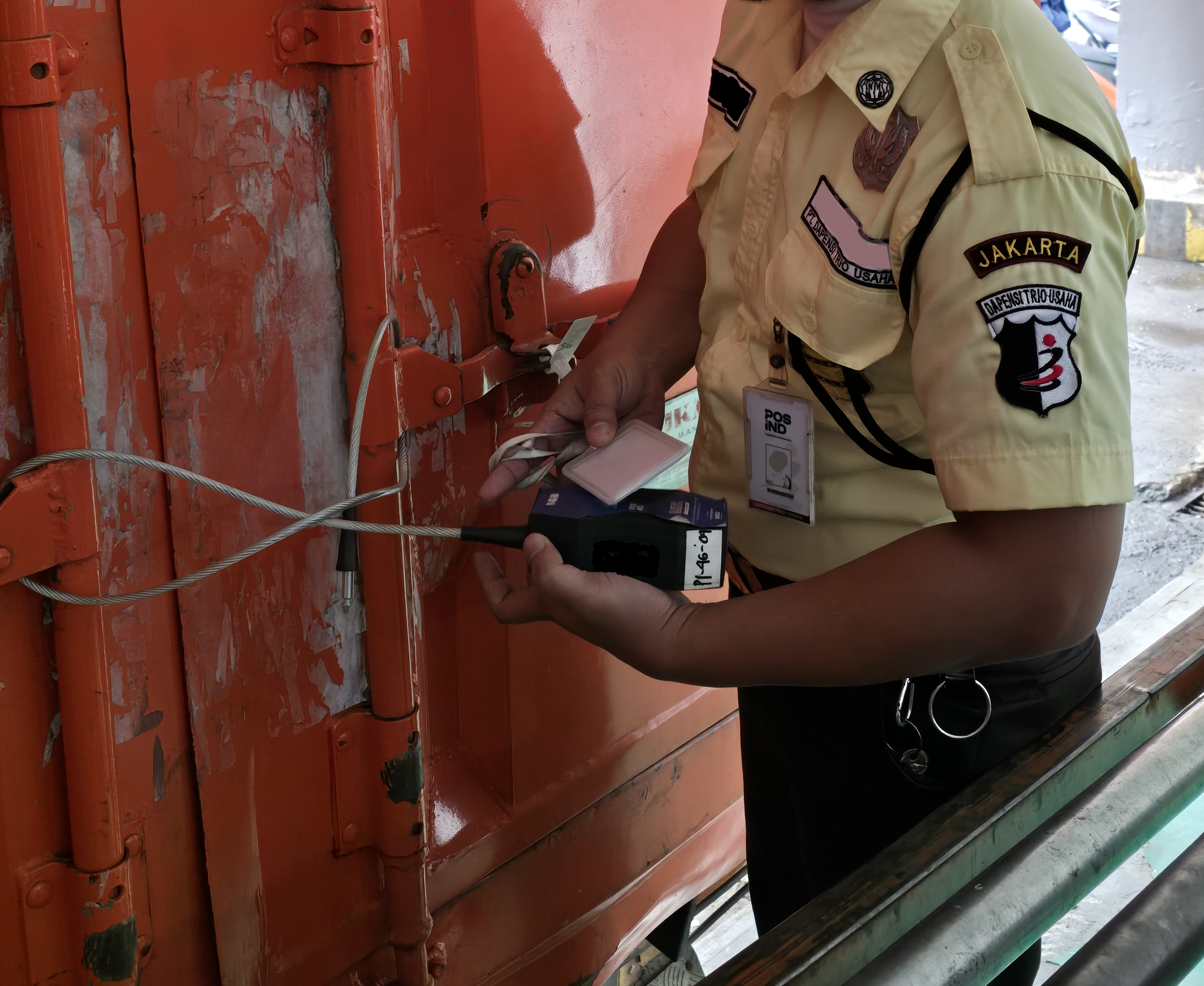
In 2024, the UPU’s Operation African Star helped curb illegal drug trade through the Post in East Africa. Key global supply chain partners are now working replicate its success in Asia.
This June 2-4, key global supply chain partners will gather at INTERPOL’s Global Complex for Innovation in Singapore for the first Illicit Supply Chain Coordination Meeting (ISCM) – a new initiative aimed at tackling the growing threat of illegal goods moving through postal and cargo networks across Asia.As supply chains grow more complex and e-commerce makes it easier to ship anonymously, postal operators, regulators, and customs officials face mounting challenges identifying illegal shipments – particularly illicit vapes, tobacco, nicotine products, and medicines. The removal of these goods has become a top priority, as they are increasingly hazardous, frequently marketed to children, lack required health warnings, contain undisclosed ingredients, and reach consumers without proper oversight. However, enforcing against non-counterfeit illicit products remains especially difficult to coordinate effectively, making cross-sector collaboration through initiatives such as the ISCM essential.
Replicating success
The inspiration behind the ISCM is clear. In 2024, the UPU, the International Narcotics Control Board (INCB), and the governments of Kenya and Uganda set out to combat criminal exploitation of postal and air cargo services to distribute illegal medicines and dangerous synthetic and psychotropic substances across East Africa. The project was known as Operation African Star and its results were striking: over four days, authorities seized more than 115,000 units and 1.15 kg of unauthorized, falsified, substandard, or illicitly manufactured pharmaceuticals. Its success caught the attention of major security players worldwide and demonstrated that coordinated, cross-sector action works.
Operation African Star revealed that cross-sector partnerships are a must for combatting dynamic illicit trade schemes, explains UPU Security Programme Manager Jacob Gholson.
“A key finding from Operation African Star was that the most were benefits derived from having enforcement teams comprised of representatives from multiple sectors, the international community, and regulated industry, each equipped with complimentary authorities, expertise and resources. Not only did this approach yield a significant number of seizures and new criminal investigations, more importantly it created opportunities for continued and deepened levels of cooperation amongst the various participants,” he says.
For example, Operation African Star’s 2025 mission centered around a Pharmaceutical Traceability Pilot Program, facilitated by the National Association of Boards of Pharmacy.
Leveraging partnerships
Building on that momentum and lessons learned, the UPU, INCB, U.S. Customs and Border Protection, Homeland Security Investigations, INTERPOL, U.S. Postal Inspection Service, and other regulated industry stakeholders formed an informal steering group to develop a cross-cutting initiative to combat illicit trade, with Asia as the next frontier.
Under the steering group’s leadership, the ISCM will gather key postal, security, customs, transport, and cargo partners from across the region to discuss illegal schemes, share best practices, and, most importantly, work collectively towards eliminating them.
Matthew Nice, Manager of the INCB Global OPIOIDS Project and the INCB's expert on global interdiction efforts, adds, “The ever-evolving nature of illicit trade requires agile responses by committed stakeholders to identify effective enforcement strategies. By bringing together expertise from both enforcement agencies and private industry together, ISCM marks the first step in building such a coalition in Asia.”
Postal operators, customs agencies, regulators, and industry stakeholders with an interest in combatting illicit trade in Asia are encouraged to participate. Contact ariel.facciolifernandes@un.org for more information.